Running a subscription box business in a cold climate is not simply a logistics challenge — it is a brand-building opportunity. When your products, ingredients, or delivery routes are shaped by Arctic winters, short summers, and unpredictable roads, the way you communicate those realities becomes part of what subscribers are paying for. The most successful subscription box businesses in cold climates have learned that transparency, seasonal storytelling, and smart curation turn potential friction into a competitive advantage.
This post draws on patterns from northern subscription brands to show how you can design a subscription box business in cold climates that retains members, manages expectations, and grows sustainably — even when the weather has other plans.
Find a Subscription Promise That Fits Northern Rhythms
The first mistake many cold-climate subscription box founders make is copying a promise designed for temperate, urban supply chains. Promising “monthly delivery, every month, no exceptions” sets you up for failure when a February blizzard closes the highway or a supplier’s harvest runs two weeks late.
Instead, build your subscription promise around the rhythm of your region:
- Seasonal cadence over monthly cadence. Four curated seasonal boxes — Winter, Spring, Summer, Autumn — often outperform twelve monthly boxes for northern brands. Subscribers understand seasons; they live them.
- Scarcity as a feature. “Limited to what the season provides” is not a weakness. It is the reason your box is different from anything available at a big-box retailer.
- Place as the promise. The most compelling subscription box businesses in cold climates sell a connection to a specific place — a fjord, a forest, a fishing community — not just a collection of products.
When your promise is built around northern rhythms rather than against them, every shipping update becomes part of the story rather than an apology.
Match Curation and Shipping Cadence to the Calendar
Curation is where subscription box businesses in cold climates either win or lose their members. The products you choose must reflect what is genuinely available and excellent in each season — not what you wish were available.
A practical seasonal curation framework:
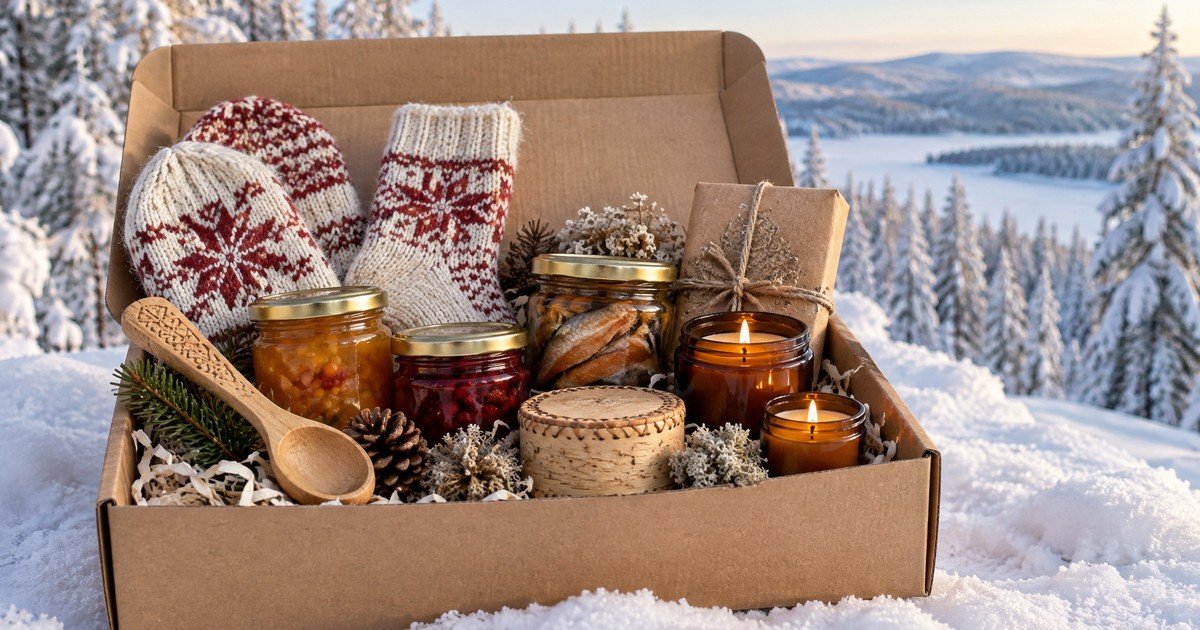
- Winter box (November–January): Focus on warmth, preservation, and indoor comfort. Think preserved foods, candles, wool goods, and items that celebrate the long dark.
- Spring box (March–May): Lean into renewal and anticipation. Early-season foraged items, seeds, and outdoor preparation gear resonate with subscribers who have been waiting for the thaw.
- Summer box (June–August): Highlight peak-season abundance. Fresh or lightly preserved local produce, outdoor activity accessories, and artisan goods made during the productive season.
- Autumn box (September–October): Harvest and preparation. Root vegetables, preserves, warming spices, and items that help subscribers transition into the dark months.
Shipping windows should be communicated at least six weeks in advance. For cold-climate subscription box businesses, this is not just good practice — it is essential for managing supplier lead times, packaging decisions (insulated liners, ice packs, or heat packs depending on the season), and customer expectations.
Make Climate-Sensitive Delivery Expectations Part of the Brand
One of the most powerful things a subscription box business in cold climates can do is make delivery transparency a brand value rather than a disclaimer buried in the FAQ.
Consider how northern e-commerce brands handle weather-responsive merchandising — the same principle applies to subscription logistics. When you communicate proactively about weather-related delays, you build trust rather than erode it.
Practical approaches:
- Seasonal shipping windows, not fixed dates. Instead of “ships on the 15th,” communicate “ships during the first two weeks of November, weather permitting.” This sets accurate expectations while preserving flexibility.
- Carrier selection by season. Some carriers perform better in winter conditions in your region. Publish which carrier you use and why — subscribers in remote areas will appreciate the thought.
- Proactive delay notifications. A short email sent before a delay is announced — “We’re watching the weather on the highway corridor and will update you by Thursday” — is far better received than a reactive apology.
- Packaging that communicates care. A note inside the box explaining how you packed for cold-weather transit (“We added an insulated liner because temperatures along your route are forecast below -20°C this week”) turns a logistical decision into a brand touchpoint.
For subscription box businesses that also run email marketing programs, this is where a well-maintained list pays dividends. If you need to improve your email deliverability before scaling these communications, the Gmail deliverability checklist for small northern email programs is a useful starting point.
Use Waitlists and Limited Drops to Manage Seasonal Supply
Cold-climate subscription box businesses often face a supply problem that urban brands do not: the best local products are genuinely limited. A small-batch jam producer can only make so many jars from a short berry season. A wool mill has a finite clip. A fishery has quotas.
Rather than treating these limits as a problem, the most successful northern subscription brands use them as a marketing mechanism:
- Waitlists signal demand and create urgency. A waitlist for your winter box, opened in September, tells prospective subscribers that your product is worth waiting for — and gives you a committed audience before you finalize your supplier orders.
- Limited drops reward loyal subscribers. Offer current subscribers first access to a special mid-season drop of a product that came in unexpectedly — a surplus of smoked fish, an early honey harvest. This creates delight and reduces waste simultaneously.
- Transparent sell-out communications. When a box sells out, say so clearly and open the waitlist for the next season. Scarcity, communicated honestly, builds the perception of quality.
This approach also helps with cash flow — a significant concern for subscription box businesses in cold climates where supplier payments often need to be made before revenue arrives.
Create Pre-Shipment Content That Builds Anticipation
The period between a subscriber signing up (or renewing) and receiving their box is a critical window for retention. Cold-climate subscription box businesses that use this window well see significantly lower churn than those who go silent between shipments.
A pre-shipment content sequence that works:
- Confirmation email with a seasonal preview. Share one or two items that will be in the box (without revealing everything) and explain why you chose them. Include a brief note about the producer or the place.
- Mid-wait update. A short email or social post showing the packing process, a supplier visit, or a weather update relevant to the shipment. This is especially effective for subscription box businesses in cold climates where the production story is genuinely interesting.
- Shipping notification with context. Beyond the tracking number, include a note about the route, the carrier, and what to expect on arrival (e.g., “Your box includes a heat pack — it’s safe to leave on the porch for up to four hours in current temperatures”).
- Post-delivery follow-up. A short email asking for feedback and sharing a recipe, usage guide, or producer story for one of the items in the box. This extends the value of the box beyond the unboxing moment.
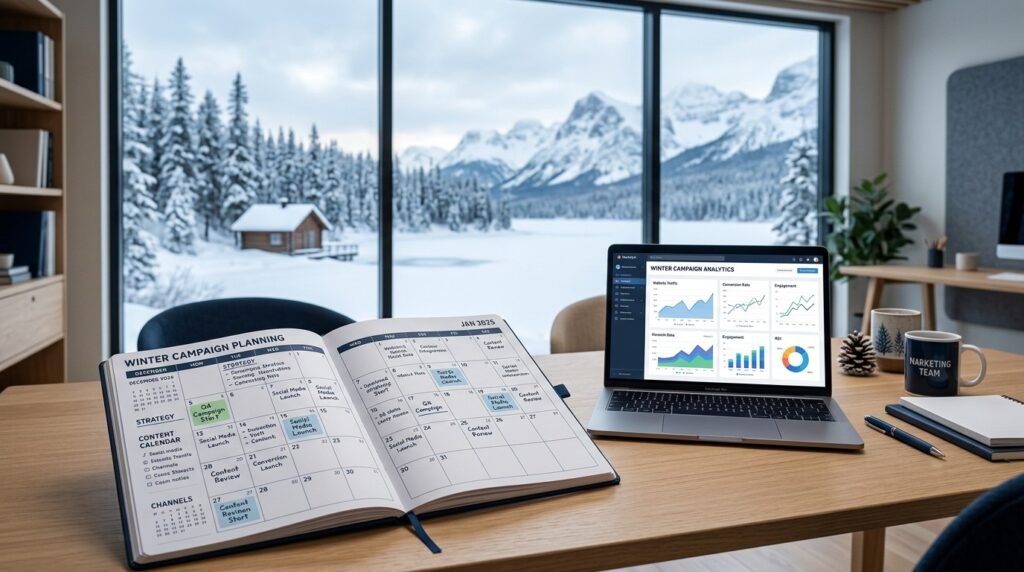
This content sequence does not require a large team. For most subscription box businesses in cold climates, a single person can manage it with a simple email automation tool and a content calendar built around the seasonal shipping windows.
Building a Subscription Box Business in Cold Climates for the Long Term
The subscription box businesses in cold climates that thrive over multiple years share a common trait: they treat their operating environment as a differentiator, not a disadvantage. The short seasons, the logistics complexity, the genuine scarcity of local products — these are the reasons subscribers choose a northern box over a generic alternative.
If you are building or scaling a subscription box business in cold climates, start by auditing your current promise against your actual delivery reality. Close the gap not by overpromising, but by making your real constraints part of your brand story. Then build the curation, communication, and content systems that turn seasonal rhythms into subscriber loyalty.
ArcticMarketer publishes practical guides for northern and cold-climate businesses navigating digital marketing, e-commerce, and audience growth. Explore more resources to help your subscription business grow sustainably in the north.