How to Build a High-Converting Landing Page in 2026
In today’s competitive digital landscape, having a website isn’t enough—you need a high-converting landing page that turns visitors into customers. Whether you’re launching a new product, promoting a service, or building your email list, your landing page is the critical touchpoint that determines your success.
This comprehensive guide will walk you through everything you need to know about creating landing pages that convert, from design principles to copywriting techniques and optimization strategies.
Understanding Landing Page Fundamentals
A landing page is a standalone web page designed with a single focus: converting visitors into leads or customers. Unlike your homepage or blog posts, a landing page eliminates distractions and guides visitors toward one specific action.
Key characteristics of effective landing pages:
- Single call-to-action (CTA): Every element points toward one conversion goal
- Focused messaging: Clear value proposition without navigation clutter
- Targeted audience: Speaks directly to a specific segment of your market
- Measurable results: Easy to track and optimize for better performance
The foundation of high-converting landing page success lies in understanding your audience’s pain points and presenting your solution as the clear answer they’ve been searching for.
Essential Elements of a High-Converting Landing Page
Creating a landing page that converts requires careful attention to several critical components. Let’s break down each element:
Compelling Headline
Your headline is the first thing visitors see, and it needs to immediately communicate your value proposition. Use your high-converting landing page strategy to craft headlines that:
- Address a specific problem or desire
- Include your primary keyword naturally
- Create curiosity or urgency
- Promise a clear benefit
Persuasive Subheadline
Support your headline with a subheadline that provides additional context and reinforces the value you’re offering. This is where you can incorporate landing page optimization and conversion rate optimization naturally.
Hero Image or Video
Visual content can increase conversions by up to 86%. Choose imagery that:
- Shows your product or service in action
- Features real people (not stock photos when possible)
- Supports your message without overwhelming it
- Loads quickly on all devices
Social Proof
Build trust with testimonials, reviews, case studies, or trust badges. Social proof is essential for landing page design and overcoming visitor skepticism.
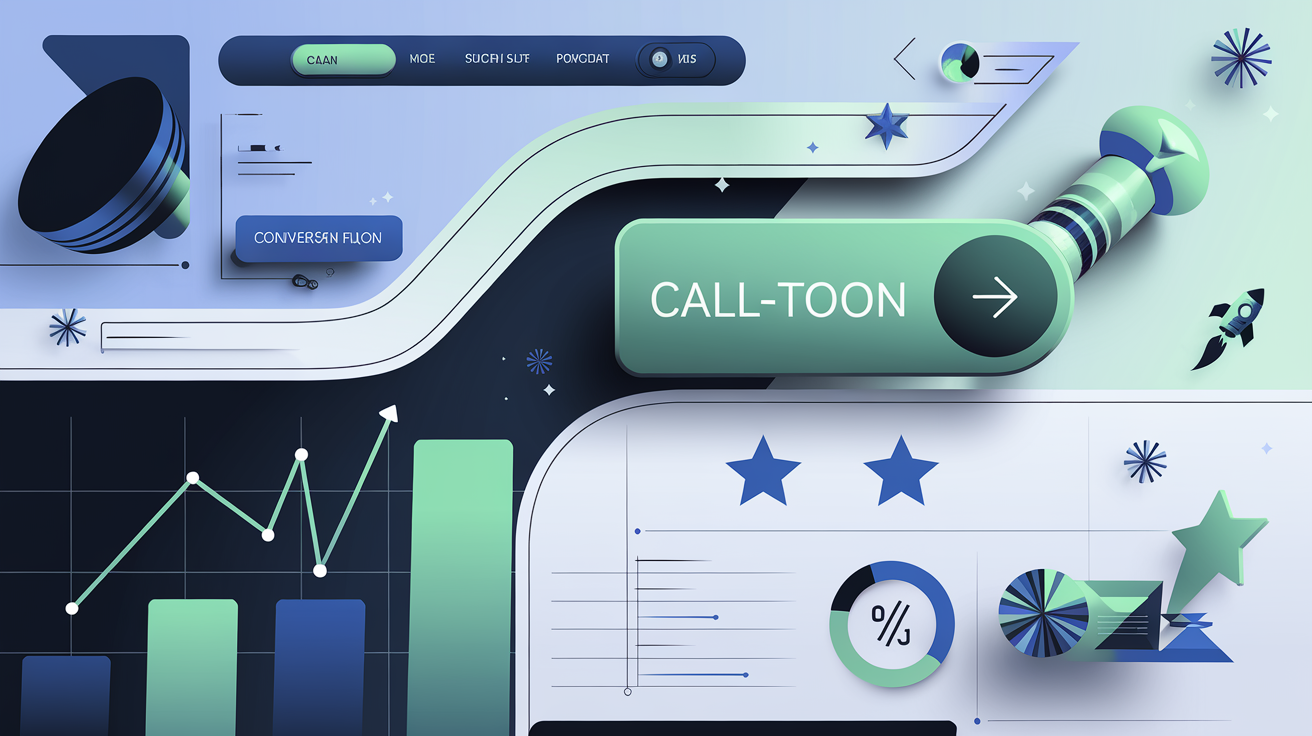
Clear Call-to-Action
Your CTA button should stand out visually and use action-oriented language. Instead of generic “Submit” buttons, try:
- “Get My Free Guide”
- “Start My 14-Day Trial”
- “Show Me How It Works”
Copywriting Techniques That Drive Conversions
The words on your landing page do the heavy lifting when it comes to conversions. Here’s how to write copy that sells:
Focus on Benefits, Not Features
Don’t just list what your product does—explain how it improves your customer’s life. Transform features into benefits by asking “so what?” after each feature.
Example:
– Feature: “24/7 customer support”
– Benefit: “Get help whenever you need it, so you’re never stuck waiting for answers”
Use the PAS Formula
The Problem-Agitate-Solution framework is powerful for CRO strategies:
- Problem: Identify your audience’s pain point
- Agitate: Make them feel the urgency of solving it
- Solution: Present your offer as the answer
Write Scannable Content
Most visitors scan rather than read. Make your copy easy to digest with:
- Short paragraphs (2-3 sentences max)
- Bullet points and numbered lists
- Subheadings that tell a story
- Bold text for key phrases
Address Objections
Anticipate why someone might hesitate and address those concerns directly. Common objections include price, time commitment, complexity, and risk.
Design Best Practices for Maximum Impact
Design isn’t just about aesthetics—it’s about guiding visitors toward your conversion goal. Follow these lead generation best practices:
Visual Hierarchy
Use size, color, and placement to direct attention to the most important elements. Your CTA should be the most prominent element on the page.
White Space
Don’t be afraid of empty space. White space reduces cognitive load and makes your page easier to scan and understand.
Color Psychology
Choose colors that align with your brand and evoke the right emotions:
- Blue: Trust and professionalism
- Green: Growth and health
- Orange: Energy and action
- Red: Urgency and excitement
Mobile Optimization
Over 60% of web traffic comes from mobile devices. Ensure your landing page:
- Loads in under 3 seconds
- Has thumb-friendly buttons
- Uses readable font sizes (16px minimum)
- Eliminates horizontal scrolling
F-Pattern Layout
Studies show visitors scan pages in an F-pattern. Place your most important information along the top and left side of your page.
A/B Testing Your Landing Page for Better Results
Creating your landing page is just the beginning. Continuous testing and optimization are essential for maximizing your high-converting landing page performance.
Set Up A/B Testing
Test one element at a time to understand what drives conversions:
- Headlines and subheadlines
- CTA button text and color
- Images and videos
- Form length and fields
- Page layout and design
Track Key Metrics
Monitor these essential metrics to gauge your landing page success:
- Conversion rate: Percentage of visitors who complete your desired action
- Bounce rate: Percentage who leave without interacting
- Time on page: How long visitors engage with your content
- Click-through rate: Percentage who click your CTA
Use Heatmaps and Session Recordings
Tools like Hotjar or Crazy Egg show you exactly how visitors interact with your page, revealing:
- Where people click
- How far they scroll
- What elements they ignore
- Where they get confused or frustrated
Implement Exit-Intent Popups
Capture visitors who are about to leave with a last-chance offer or alternative CTA. This can recover 10-15% of abandoning visitors.
Speed Optimization
Page load time directly impacts conversions. For every second of delay, conversions drop by 7%. Optimize by:
- Compressing images
- Minimizing code
- Using a content delivery network (CDN)
- Enabling browser caching
Putting It All Together
Building a high-converting landing page requires combining strategy, psychology, design, and continuous optimization. Start with a clear understanding of your audience and their needs, then craft every element of your page to guide them toward your conversion goal.
Remember that landing page optimization is an ongoing process. What works today might not work tomorrow as your audience evolves and market conditions change. Commit to regular testing and refinement, and you’ll see your conversion rates steadily improve.
For more insights on driving traffic to your landing pages, check out our guide on proven strategies to drive traffic. And if you’re looking to maximize your overall digital marketing efforts, explore our article on Marketing Through Social Media.
Ready to Build Your High-Converting Landing Page?
At ArcticMarketer, we help businesses create landing pages that don’t just look good—they deliver results. Whether you’re just getting started or looking to optimize your existing pages, we have the tools and expertise to help you succeed.
Start implementing these strategies today, and watch your conversion rates soar. Your perfect landing page is just a few optimizations away!
Key Takeaways:
- Focus on a single, clear call-to-action
- Write benefit-driven copy that addresses pain points
- Design with visual hierarchy and mobile users in mind
- Test continuously and optimize based on data
- Use social proof to build trust and credibility