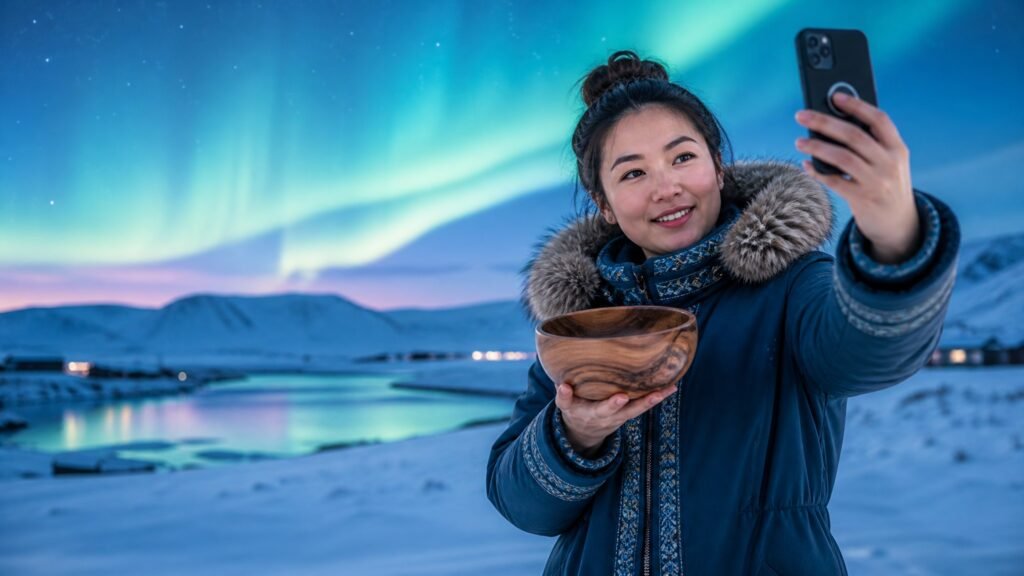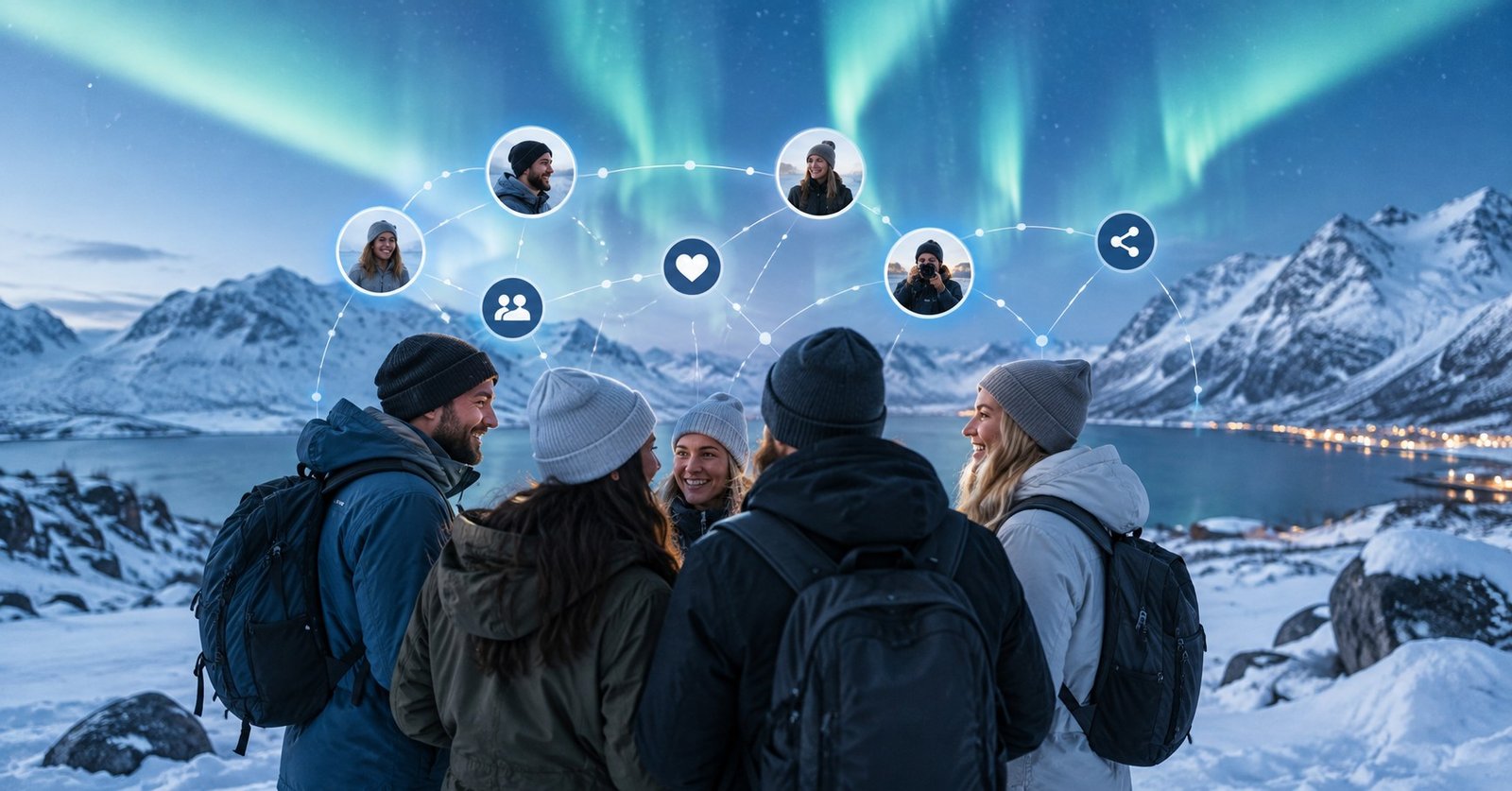
In a market where everyone knows everyone, a recommendation from a trusted neighbor carries more weight than a polished ad from a distant brand. That is the quiet logic behind the rise of nano-influencer marketing for northern businesses—and it is reshaping how brands in sparse, remote, and cold-climate markets think about reach, trust, and community.
Nano-influencers—creators with roughly 1,000 to 10,000 followers—are not new. But the strategic case for working with them has grown sharper as audiences in northern and rural markets grow more skeptical of generic national campaigns that feel disconnected from their daily realities. For Arctic and northern brands, the question is no longer whether influencer marketing works. It is whether the influencer actually belongs to the community you are trying to reach.
Why Influencer Marketing Is Moving From Reach to Relational Trust
The influencer marketing industry has spent years chasing scale. Brands paid for follower counts, and platforms rewarded content that spread fast. The result was a wave of polished, aspirational content that performed well in dense urban markets but landed awkwardly in communities where authenticity is a baseline expectation, not a differentiator.
Northern audiences are particularly attuned to this gap. When a creator in a remote Arctic town recommends a local outfitter, a regional food producer, or a community service, their followers already know the context. They may have visited the same shop, attended the same events, or grown up in the same municipality. That shared context is not something a macro-influencer with 500,000 followers can replicate—no matter how well-crafted the caption.
Research consistently shows that nano-influencers generate higher engagement rates than their larger counterparts. Peer-level credibility, smaller and more cohesive audiences, and genuine product familiarity all contribute. For northern brands operating in low-population regions, these dynamics are amplified: a creator considered “nano” by global standards may already be a recognized voice across an entire county or regional community.
Nano Versus Micro: Which Definition Fits a Sparse Market?
The terminology around influencer tiers varies across platforms and agencies. Some define nano-influencers as having 1,000–10,000 followers; others extend micro-influencer definitions up to 100,000. In a northern or Arctic context, these labels matter less than the ratio of creator reach to local population.
A creator with 3,000 followers in a municipality of 8,000 people has a fundamentally different relationship with their audience than a creator with the same count in a city of two million. In sparse markets, the relevant question is not “how many followers?” but “what proportion of my target community does this creator actually reach, and how well do they know them?”
This reframing helps northern brands avoid two common mistakes: dismissing small creators as too niche to matter, and overpaying for regional influencers whose audiences are geographically scattered rather than locally concentrated.
How to Vet Local Relevance, Audience Quality, and Cultural Alignment
Finding the right nano-influencer in a northern market requires a different vetting process than standard influencer discovery tools provide. Most platforms optimize for follower count and engagement rate—metrics that can be gamed and that rarely capture local credibility.
A more useful approach combines three checks:
- Geographic audience concentration. Ask creators to share audience location data from their platform analytics. A creator whose followers are 60–70% concentrated in your target region is far more valuable than one with a nationally dispersed audience of the same size.
- Content-community fit. Review the creator’s recent posts for evidence of genuine local participation: community events, regional landmarks, local businesses, seasonal activities. Creators who document real life in the region—rather than performing a version of it—tend to generate more authentic responses.
- Disclosure and transparency habits. In northern markets where community trust is a long-term asset, working with creators who clearly label sponsored content protects both the brand and the creator’s credibility. Audiences in tight-knit communities are quick to notice—and remember—when a recommendation feels undisclosed or transactional.
Cultural alignment is equally important. Northern and Arctic communities often include Indigenous populations, multilingual residents, and distinct regional identities that national campaigns routinely flatten. A creator who understands and reflects those nuances will produce content that resonates in ways a standardized brief cannot anticipate.
Why Vernacular Content Outperforms Standardized National Messaging
One of the most consistent findings in rural and regional marketing is that locally produced content—even when technically imperfect—outperforms polished national creative in community-level engagement. This is not simply a preference for the familiar. It reflects a deeper dynamic: vernacular content signals that a brand understands the specific conditions, language, and concerns of a place.
For northern brands, this might mean a creator who films in the local dialect, references the specific challenges of operating in a remote area, or documents how a product performs in genuinely cold conditions. These details are invisible to a national audience but immediately legible to a local one.
This is also where nano-influencer partnerships offer a structural advantage over traditional content production. Rather than briefing a creator to deliver a specific message, northern brands can invite creators to document their genuine experience—and then amplify the content that resonates. The brand becomes a facilitator of authentic community storytelling rather than a producer of branded content.
For more on building content that reflects genuine northern experiences, see our guide on content repurposing strategies for northern small businesses.
The Operational Limits of Scaling Small-Creator Partnerships
Working with nano-influencers is not without friction. Managing five to fifteen small creator relationships simultaneously requires more coordination than a single macro-influencer campaign. Briefing, contracting, reviewing content, tracking performance, and maintaining ongoing relationships all take time—and in small northern businesses, that time is rarely abundant.
A few practical approaches help manage this load:
- Start with two or three creators in your highest-priority communities before expanding. This allows you to develop a repeatable briefing and review process before scaling.
- Use lightweight agreements that specify disclosure requirements, content usage rights, and basic brand guidelines without over-scripting the creative. Nano-influencers perform best when they retain their natural voice.
- Track community-level outcomes, not just platform metrics. In sparse markets, the most meaningful signals are often offline: foot traffic, direct inquiries, word-of-mouth referrals, and repeat purchases from the creator’s community.
- Build long-term relationships rather than one-off campaigns. A creator who has worked with your brand across multiple seasons develops a depth of familiarity that single-post partnerships cannot replicate.
For northern brands thinking about how seasonal patterns affect campaign timing, our Northern Winter Campaign Calendar offers a practical planning framework.
Putting It Into Practice
Nano-influencer marketing for northern businesses is not a shortcut to scale. It is a deliberate investment in community-level trust—the kind that compounds over time in markets where reputation travels fast and relationships outlast any single campaign.
The brands that will benefit most are those willing to treat local creators as genuine partners rather than distribution channels: sharing context, inviting honest feedback, and building the kind of ongoing collaboration that reflects how northern communities actually work.
If you are ready to explore creator partnerships for your northern or Arctic market, start by mapping the communities you most want to reach and identifying the voices those communities already trust. The follower count is the last thing to look at.
ArcticMarketer helps northern and remote businesses build digital marketing strategies that fit their markets. Explore our resources at arcticmarketer.com for more guides on community-led marketing, content strategy, and regional brand building.